Engineering models & optimisation
Calculate energy balances, compare schedules and respect equipment limits. Numerical methods own the calculation.
We combine engineering knowledge, data analysis and AI to support a real operating decision. The evidence, assumptions and controls belong in the user’s view.
An engineer needs to inspect the measurements behind an alert. An environmental adviser needs the method behind a figure. A knowledge user needs the passage and version supporting an answer.
Our glass-box approach makes those links visible. Users can challenge assumptions, review uncertainty and decide when a specialist needs to take over.
Explore an item, then inspect its source, checks and next action. Dashboards and visual views help people see the situation before they need to ask a question.
Sample readings are shown with units, test methods and the equipment’s history. The analyst can open the source record.
Language models are one part of the toolkit. We use them alongside established engineering methods, learning from data and clear visual interfaces.
Calculate energy balances, compare schedules and respect equipment limits. Numerical methods own the calculation.
Learn useful patterns in consumption and condition, test on unseen periods and make uncertainty visible.
Interpret variable documents and explain supported findings, with references and review where the task needs them.
Coordinate retrieval, checks and follow-up steps within agreed permissions and review points. Keep the actions and their owners visible.
Turn connected data into timelines, comparisons, exception views and work queues that help people act.
Your data remains yours. Hosting, residency, access, use and retention are agreed as part of the design.
Work with approved interfaces and controlled imports. Retain source identity and make data quality and missing context visible.
Agree which services process the data and where. Private environments, local deployment and offline operation can be considered against the application’s needs.
Apply role and customer boundaries. Define review, escalation and audit requirements with operators and the relevant technology and assurance teams.
Show uncertainty and conflicting sources. In a controlled knowledge workflow, an unsupported answer should lead to clarification or escalation.
 Working demonstrator
Evidence-backed oil-analysis interpretation.
Explore the demonstrator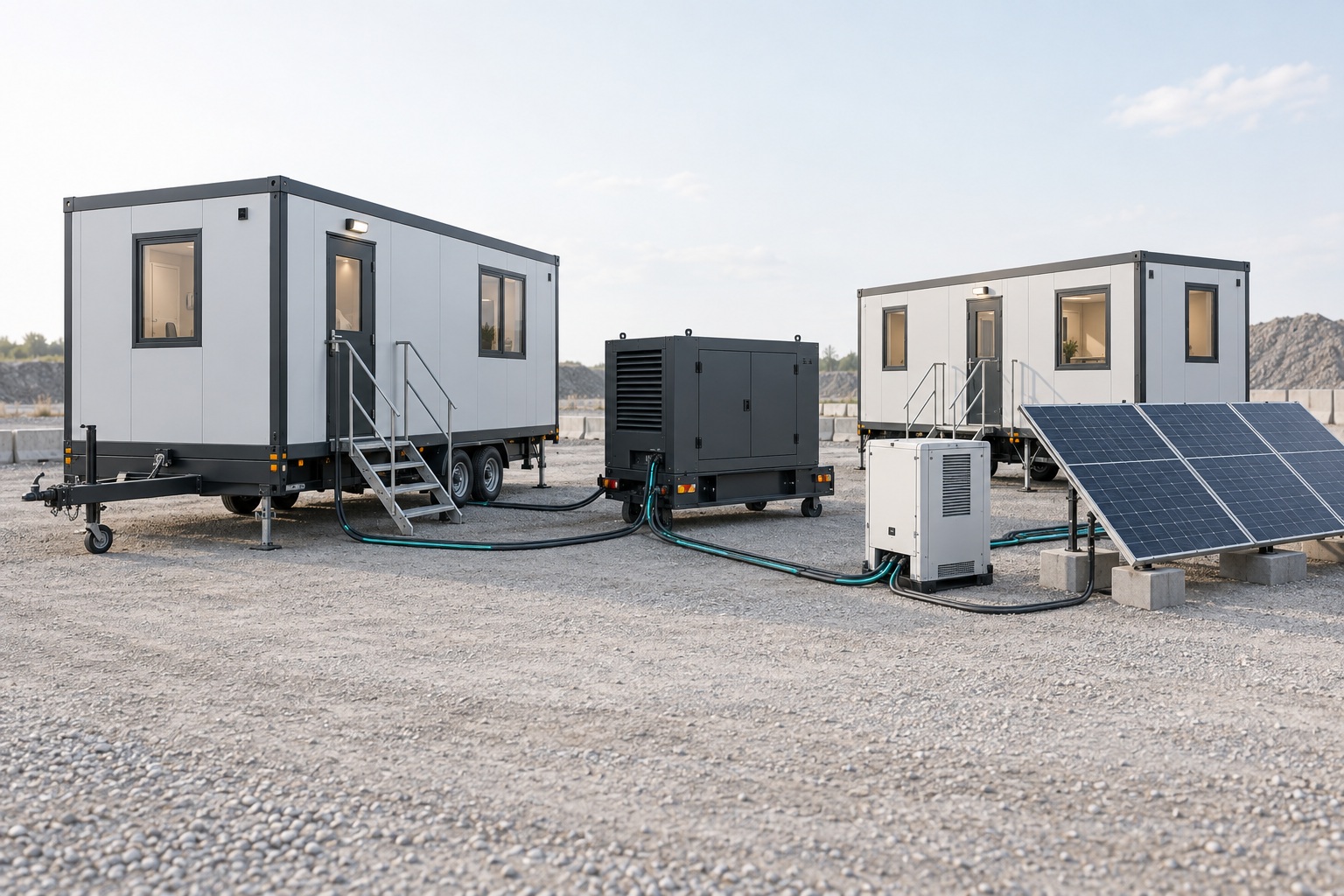 Engineering case study
Getting the most from generator, solar and battery power.
Read the case study Engineering case study
Empowering your crews when they need it most.
Read the case studyTell us about a decision, a process or a piece of equipment. We’ll help you work out a useful next step.