Start with a useful boundary.
Choose one workflow, equipment group or decision. Agree who owns it and how improvement will be assessed.
Start with a shared purpose. Build with the people doing the work. Put a working version in their hands early and use feedback to improve both the system and the way it is used.
Each stage produces something to review. Your team agrees the measures, owns the decisions and shapes the next version through feedback.
Work with the people doing the job to understand the problem, the baseline and what a useful improvement would look like.
Security, data access, integration and readiness for real operation.
Prototype timing is indicative, following an agreed scope and access to suitable information. Production readiness depends on the application and required checks.
A prototype makes an idea concrete. Practitioners can try the workflow, question the assumptions and show us what is missing.
Choose one workflow, equipment group or decision. Agree who owns it and how improvement will be assessed.
Put changes back in front of the users, resolve what matters and keep the next set of priorities visible.
Agree how the system fits into daily work, who owns it and how people will be supported. Adoption, access, security and integration all form part of readiness for real operation.
 Engineering case study
An integrated lubricant management system.
Read the case study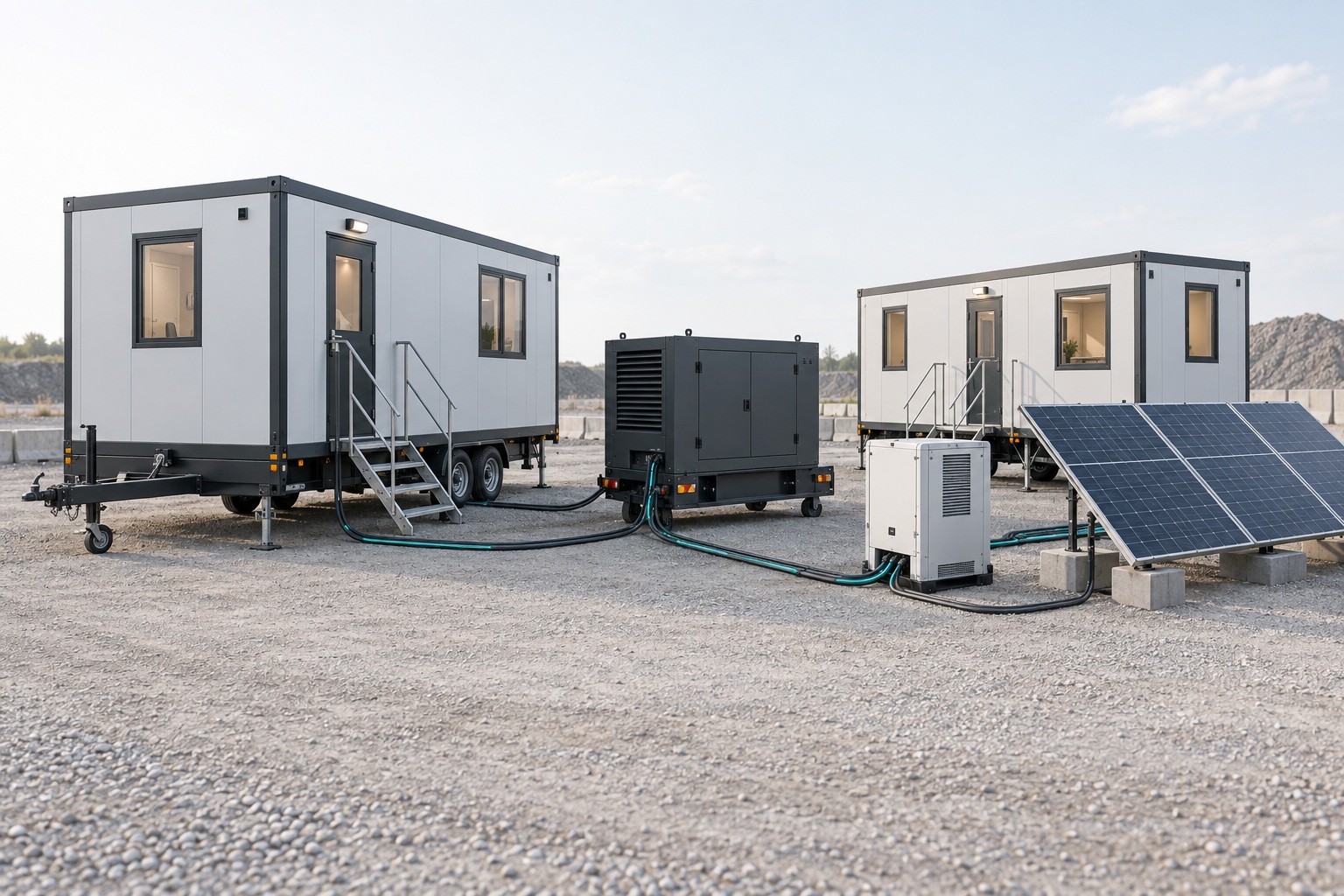 Engineering case study
Getting the most from generator, solar and battery power.
Read the case study Engineering case study
One reliable voyage record, even when the reports keep changing.
Read the case studyTell us about a decision, a process or a piece of equipment. We’ll help you work out a useful next step.