Hybrid Energy on Mobile Sites
Getting the most from generator, solar and battery power.
For a mobile facilities company, Propel brought generator, solar, battery and individual circuit data into one application. Operators can investigate fuel use and running patterns, while equipment owners track performance and maintenance needs and customer teams explain cost and carbon.
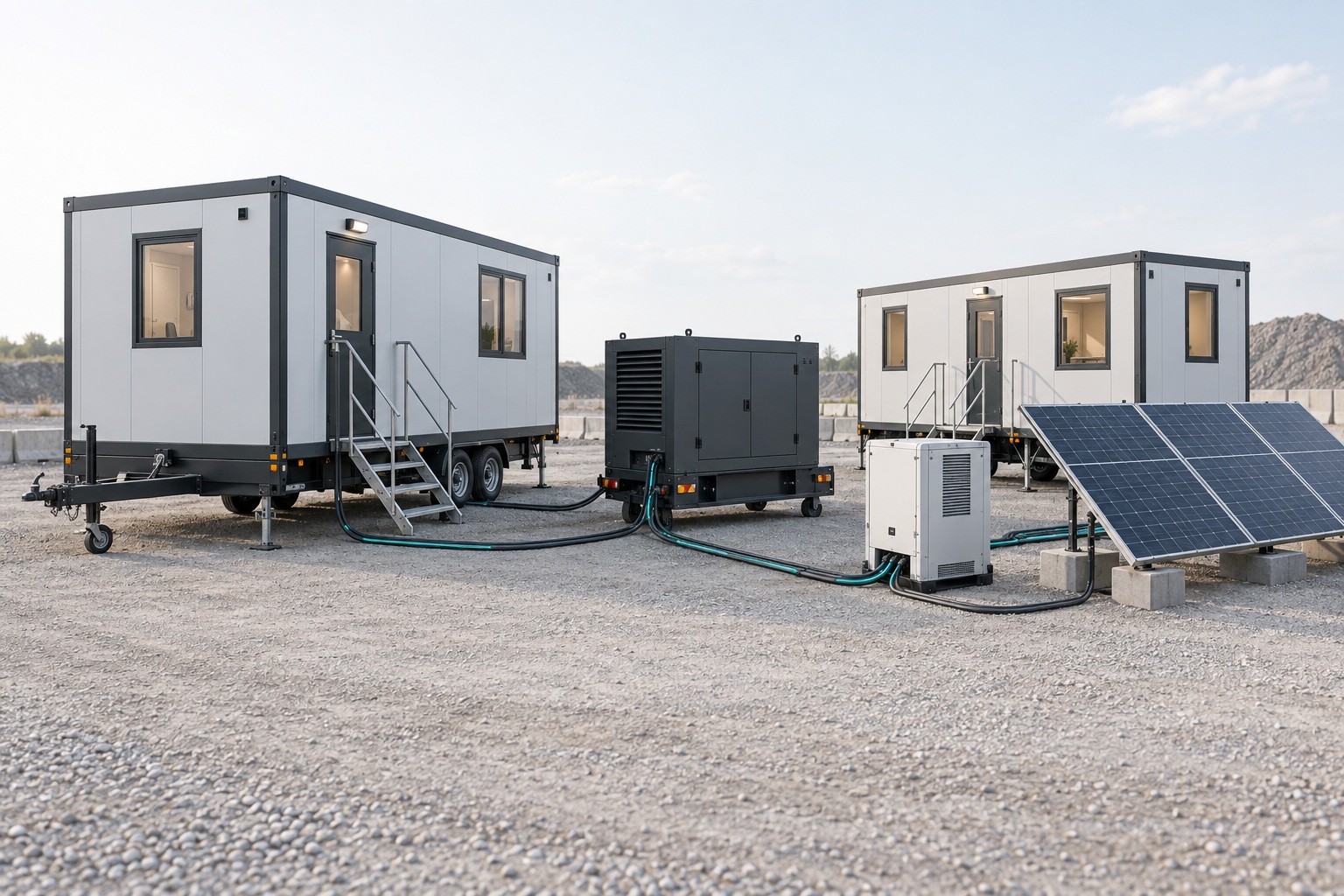
Mobile-facility operators, temporary-power teams and customer reporting teams.
Why the work matters.
A total energy figure does not explain low-load generator running, repeated starts or whether solar and storage worked well together. A useful comparison needs a clear baseline and the loads behind it.
What we developed.
Propel combined practical energy-system experience with data collection, adjustable engineering calculations, learned demand patterns, scheduling and visual reporting. The same figures support operating decisions and customer conversations.
Follow the operational thread.
Connect the information, apply the relevant checks and make the next decision visible.
Put every reading on the same timescale
Keep the site, source and circuit identity while aligning historical and incoming readings. Handle recording intervals explicitly so a metering change is not mistaken for changed consumption.
Find the savings opportunities
Identify low-load generator operation, avoidable restarts and underused solar. Compare alternative generator and battery schedules against observed demand and real equipment limits.
Learn the site’s pattern and plan ahead
Learn daily demand and its variation, then combine forecast demand, expected solar and current battery charge into a proposed day-ahead generator regime.
Explain the figures in plain terms
Compare against a stated generator-only baseline and separate fuel, solar and scheduling effects. Optional AI summaries explain figures calculated by engineering models.
Different roles.
The same evidence.
Dashboards, timelines and work queues make the relevant information available before someone has to ask a question.
Operating detail
Energy flows, generator events and the circuits behind demand.
Forward planning
Forecasts and a proposed schedule within equipment limits.
Customer reporting
Energy, fuel, cost and carbon comparisons with visible assumptions.
What the user can inspect
- Telemetry and equipment configuration
- An explicit baseline and separate contributions to the estimate
- Forecast evaluation and the difference between hindsight and planning
What this is designed
to improve.
- Target unnecessary generator running and fuel use
- Coordinate generator, solar and battery operation within equipment limits
- Use running hours and site history to support maintenance planning
- Size generators and batteries for the next job using observed demand
- Provide customer reports with a clear basis for energy, cost and carbon
- Support contract discussions and carbon reporting as a service
Reconcile the fuel model with fuel records, test forecasts on later days and track accepted operating changes. Keep modelled opportunities distinct from measured savings.
Developed for a mobile facilities company whose identity is withheld. Modelled opportunities, hindsight comparisons and measured fuel savings remain distinct.
Read the full engineering detail.
The updated PDF includes the approach, technical detail, business value and next steps.
Recognise the problem?
Choose a site and agree a fuel, cost or carbon objective. Using Northstar, we build the operating and reporting workflow with the people running the equipment, starting from a clear baseline.