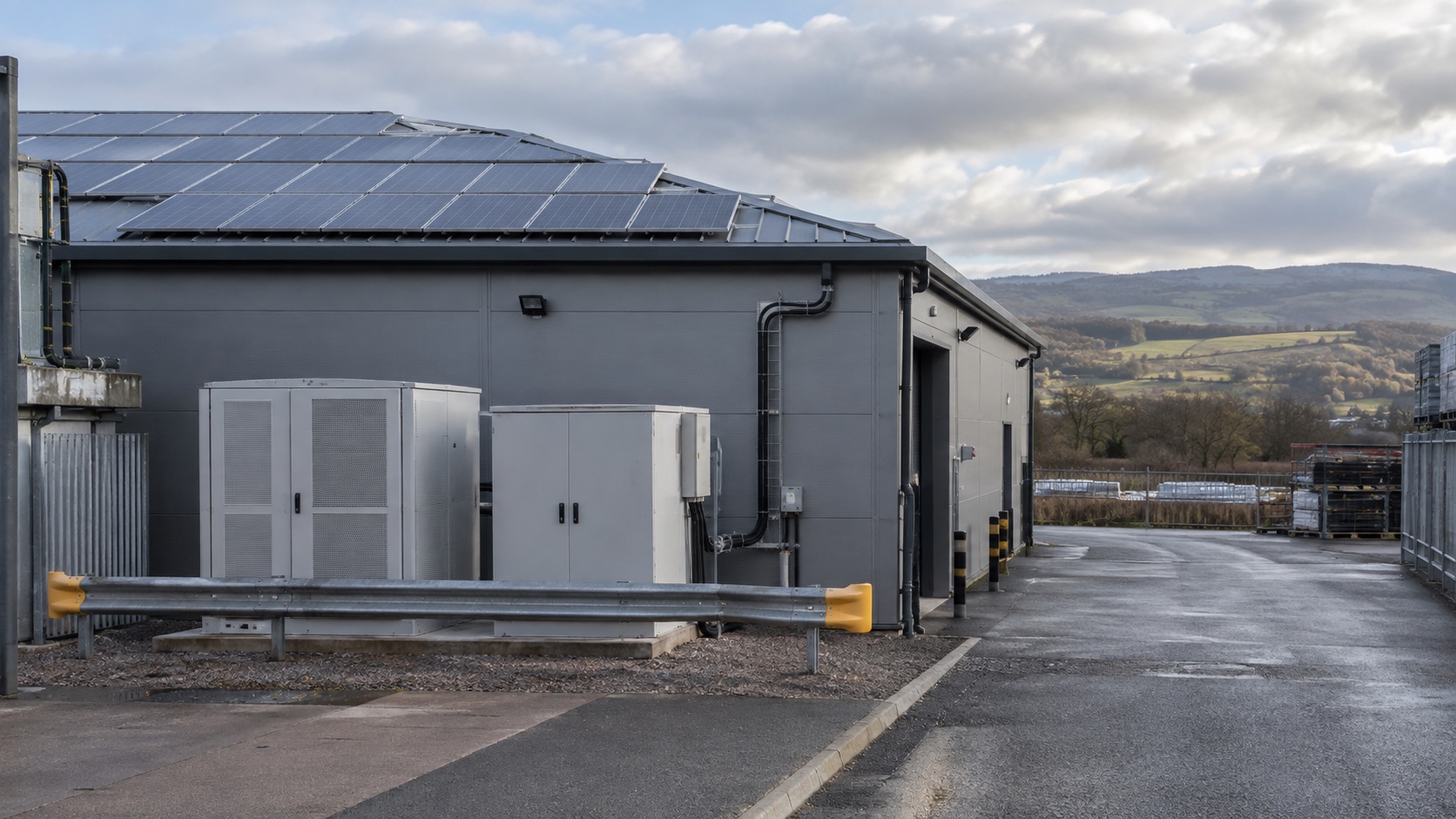
Understand demand. Compare a practical plan.
Connect generation, storage, operating demand and equipment limits so teams can compare schedules and investment options on a shared basis.
Energy · Solar & storage · Ports · Industrial operations
Does this sound familiar?
Separate systems can each appear to run well while the site as a whole wastes energy or hits a capacity limit. A useful plan needs the operating context, forecasts and constraints in one view.
What is driving the demand peak?
Are generation and storage working together?
Which operating or investment option fits our constraints?
A clear route to
a useful answer.
Start with a bounded problem and the information available. Bring the team into the work from the beginning.
Reconcile the operating and energy record for one site or system.
Build a baseline and test forecasts against representative periods.
Compare schedules or investment scenarios with assumptions and limits visible.
What you leave with
- A shared operating and energy baseline
- A comparison of feasible scenarios
- A visual plan and an agreed way to evaluate it
An operating or investment choice with visible trade-offs.
A port team wants to add shore power and electric equipment. Linking vessel calls and charging requirements to capacity helps it compare a changed schedule with the next infrastructure investment.
An operating or investment choice with visible trade-offs.
With sources, assumptions and human review made visible.
Know whether it helped.
Test data quality, forecast usefulness and option rankings against an agreed baseline. Keep modelled savings separate from measured results and involve the relevant engineering specialists.
Operational Opportunity Review
For a team with a clear operational frustration and several possible ways forward.
See the scope and outputs- A map of the current workflow and its constraints
- A baseline and prioritised opportunities
- Options, a recommendation and a scoped next step
Duration depends on agreed scope, access and data readiness.
See how this applies.
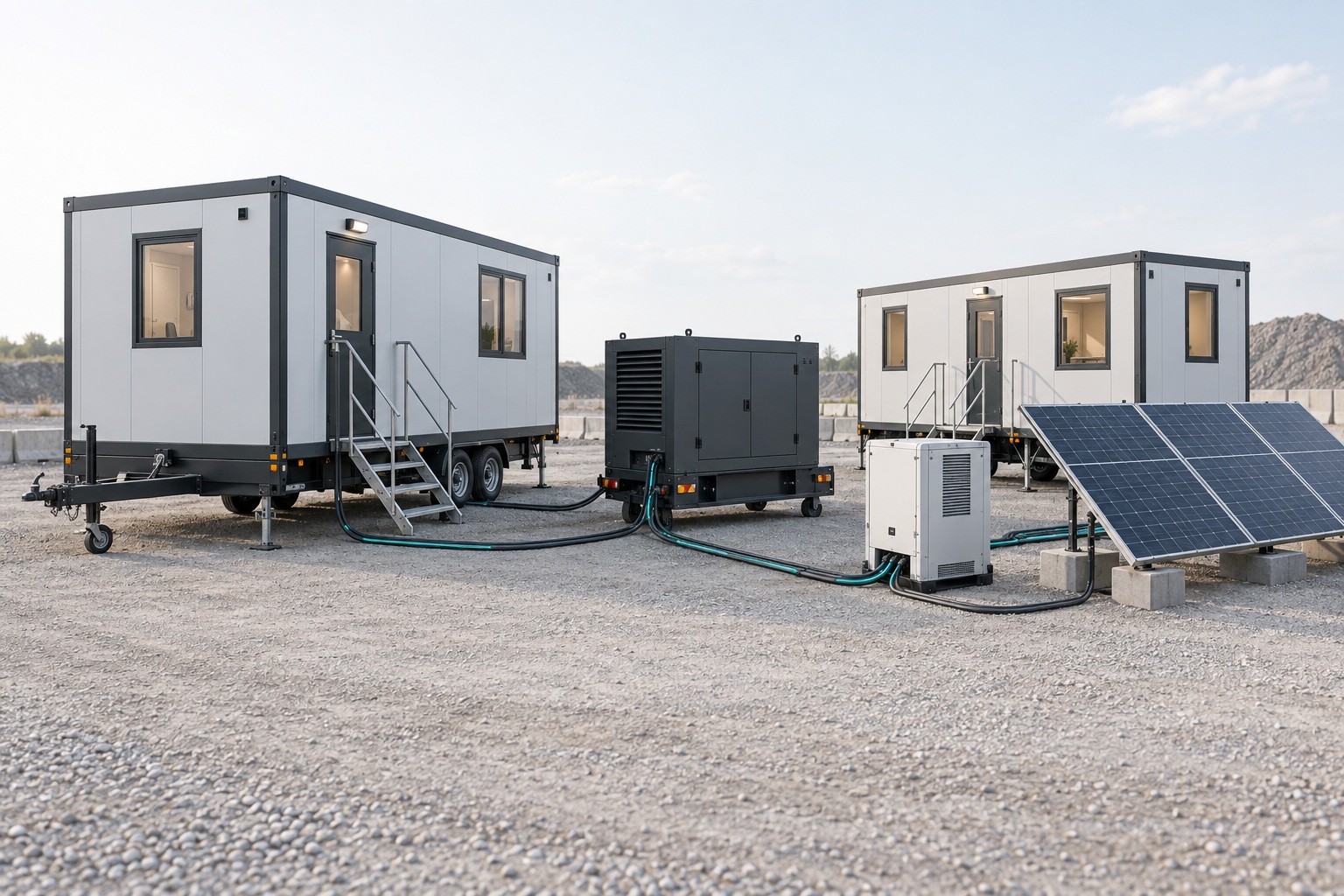 Engineering case study
Hybrid Energy on Mobile Sites
Getting the most from generator, solar and battery power.
Read the case study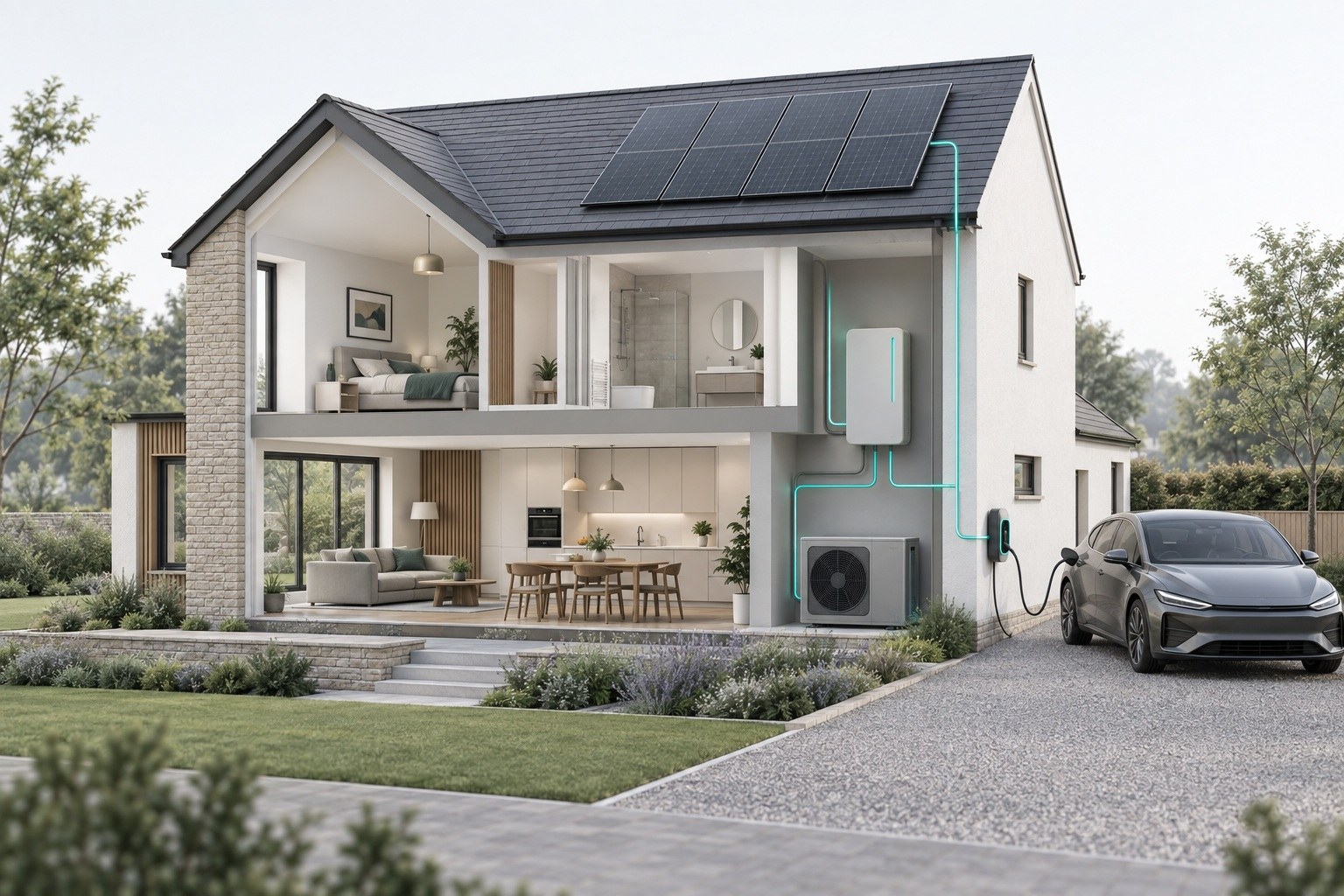 Engineering case study
Home energy optimisation
Helping your solar panels, battery, car and heating work together.
Read the case study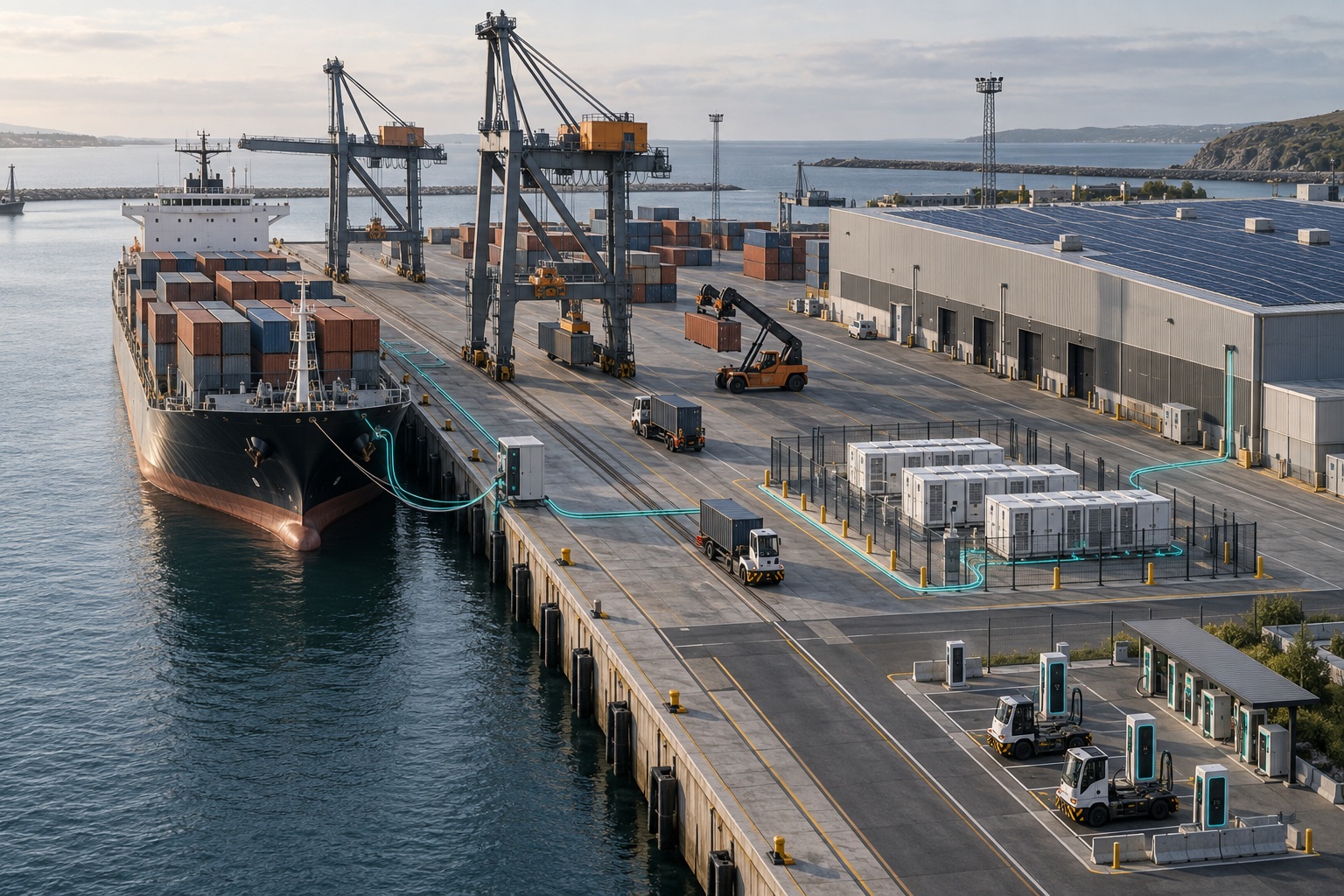 Use case
Port Energy and Capacity Planning
Planning today’s shifts and tomorrow’s investment together.
Read the use caseWhat would you like to work better?
Tell us about a decision, a process or a piece of equipment. We’ll help you work out a useful next step.