Make better choices before the asset is built.
Use operating experience and clear assumptions to compare equipment options, plan monitoring and prepare for a useful handover.
New projects (greenfield) · Major modifications
Does this sound familiar?
Early decisions can lock in operating costs for years. Project teams need a way to test the assumptions behind equipment selection and make sure the information operations will need is designed in.
How do the equipment options compare in operation?
Which reliability assumptions need testing?
What data will the operating team need from day one?
A clear route to
a useful answer.
Start with a bounded problem and the information available. Bring the team into the work from the beginning.
Agree the decision criteria with project, engineering and operations teams.
Compare options using available evidence and make uncertainty visible.
Define monitoring, information and handover requirements before commissioning.
What you leave with
- An evidence-based option comparison
- A register of assumptions and information gaps
- A monitoring and operational-readiness brief
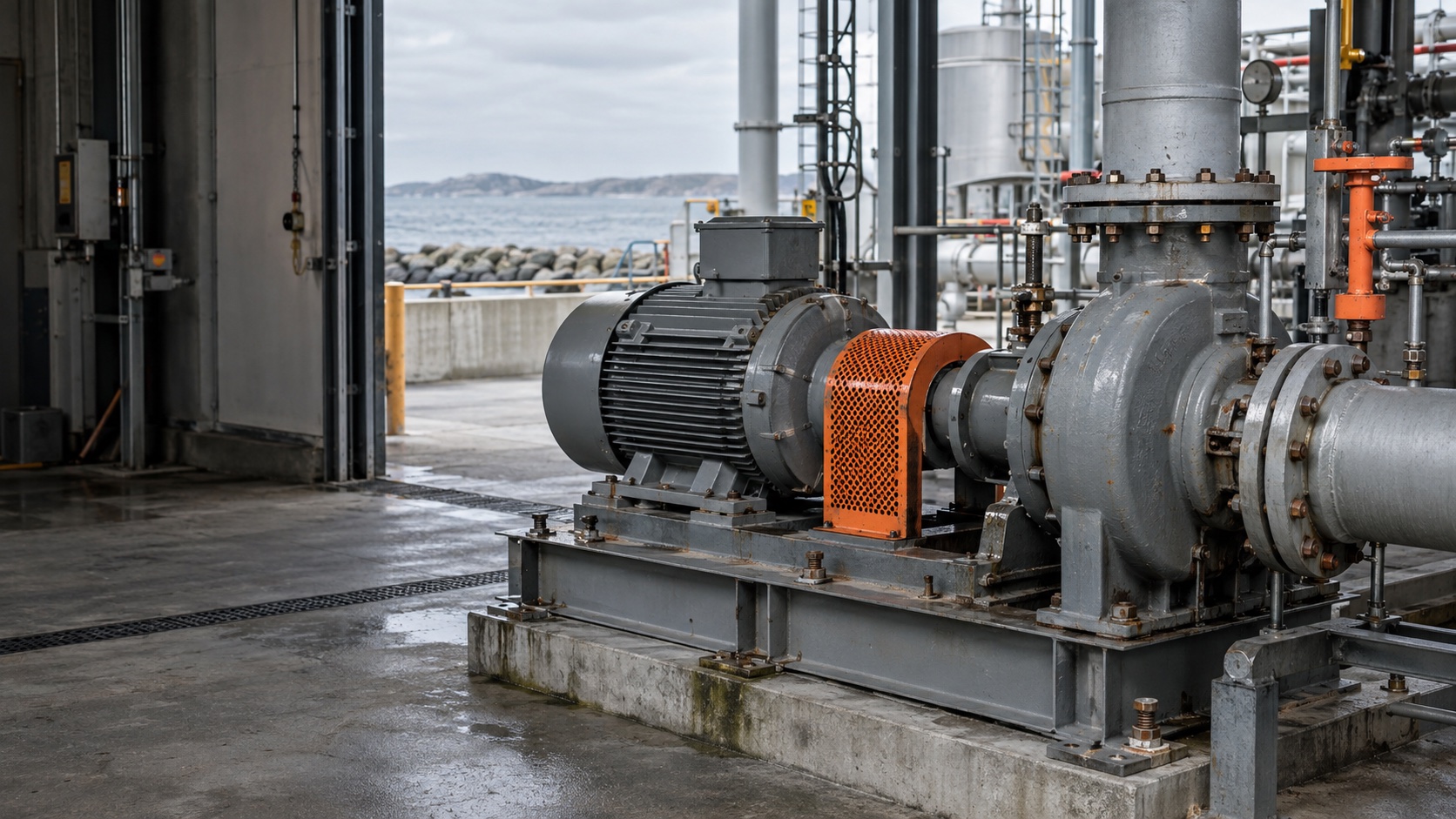
An equipment choice with visible trade-offs.
A project team is comparing two equipment configurations. A structured comparison combines operating evidence, maintenance needs and the quality of the assumptions, showing where further investigation would change the decision.
An equipment choice with visible trade-offs.
With sources, assumptions and human review made visible.
Know whether it helped.
Assess the completeness of the decision record, unresolved assumptions and readiness of the handover. Modelled operating benefits remain estimates until demonstrated in service.
Operational Opportunity Review
For a team with a clear operational frustration and several possible ways forward.
See the scope and outputs- A map of the current workflow and its constraints
- A baseline and prioritised opportunities
- Options, a recommendation and a scoped next step
Duration depends on agreed scope, access and data readiness.
See how this applies.

What would you like to work better?
Tell us about a decision, a process or a piece of equipment. We’ll help you work out a useful next step.