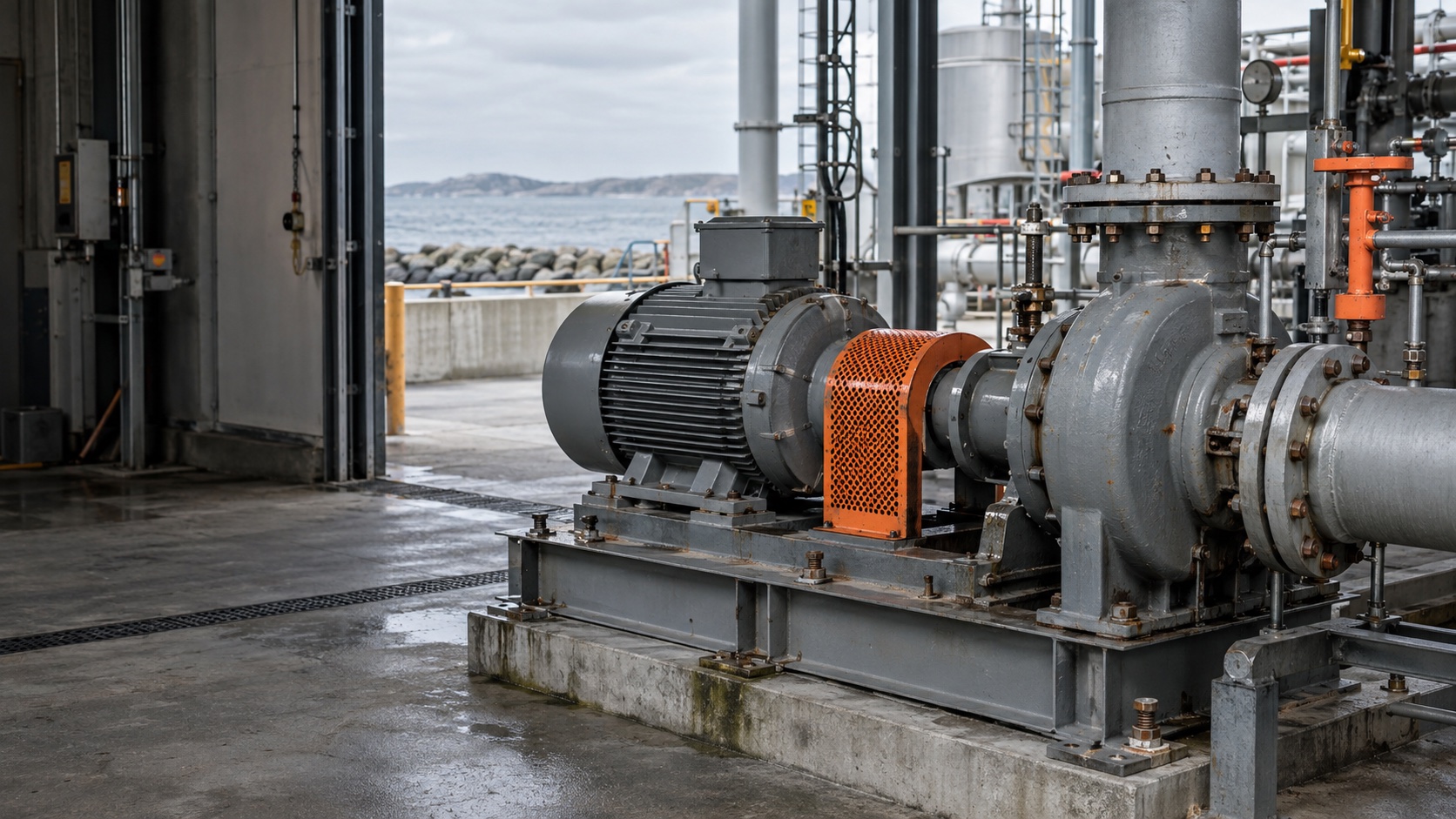
Know where to act. Get more from your assets.
Bring performance, condition and maintenance information together so your team can agree what needs attention and what to do next.
Energy · Maritime · Industrial operations
Does this sound familiar?
Your equipment generates plenty of data. The difficult part is connecting a change in performance to its cause, its cost and the person who can act on it.
Which losses deserve our attention first?
Are we acting on condition data early enough?
Where can existing systems give us a better answer?
A clear route to
a useful answer.
Start with a bounded problem and the information available. Bring the team into the work from the beginning.
Map the decisions, data and people involved in a specific asset or process.
Connect operating history, condition information and maintenance records.
Create a shared view of priorities, with clear ownership and follow-up.
What you leave with
- A prioritised opportunity register
- A usable performance and action view
- An agreed baseline and measures of progress
A maintenance priority your team can explain.
An operating team sees a recurring equipment issue in several reports. Bringing that history together helps the engineer decide what to investigate, record the reasoning and follow up the agreed action.
A maintenance priority your team can explain.
With sources, assumptions and human review made visible.
Know whether it helped.
Track avoidable report preparation, time to agree an action, action completion and relevant asset performance. Separate observed improvements from estimated avoided losses.
Operational Opportunity Review
For a team with a clear operational frustration and several possible ways forward.
See the scope and outputs- A map of the current workflow and its constraints
- A baseline and prioritised opportunities
- Options, a recommendation and a scoped next step
Duration depends on agreed scope, access and data readiness.
See how this applies.

What would you like to work better?
Tell us about a decision, a process or a piece of equipment. We’ll help you work out a useful next step.